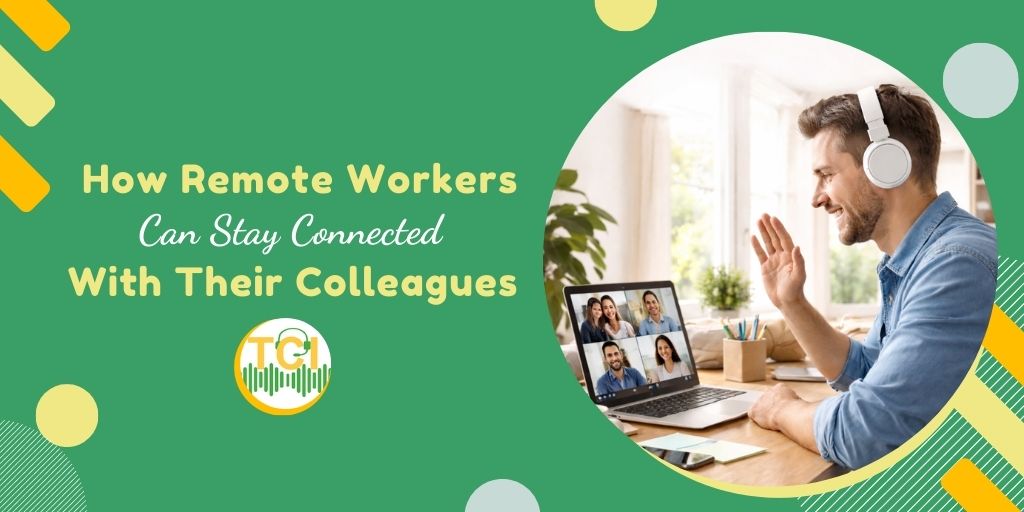



Remote work offers flexibility and independence, but staying connected with coworkers takes intention. Without hallway conversations or quick desk check-ins, remote workers need to be more deliberate about communication and relationship building.
The good news is that with the right habits, remote employees can form strong connections-sometimes even stronger than those built in traditional office settings.
Here’s how.
In an office, body language and casual conversations help fill in the gaps. Remote work doesn’t offer those cues, which makes clear communication essential.
Remote workers should:
When teammates understand your process and reasoning, collaboration improves and everyone stays aligned.
Connection doesn’t happen automatically in remote environments-it has to be intentional.
Simple ways to build relationships include:
These interactions don’t need to be mandatory. Natural, low-pressure conversations help recreate the informal connections found in physical offices.
Active participation matters, too. Asking questions during meetings, commenting on others’ work, and sharing ideas-even outside your role-helps maintain visibility and engagement.
Most remote teams rely on video calls and email, but effective teams choose tools that support collaboration without creating unnecessary complexity.
Depending on the team, this might include:
The goal isn’t to use more tools-it’s to use the right ones that fit your team’s workflow.
Consistency helps maintain connection. Small daily or weekly habits can strengthen a sense of belonging.
Examples include:
Your workspace also plays a role. A professional video setup with good lighting and clear audio shows respect for others’ time and attention.
Strong remote teams recognize that people work differently.
Some coworkers prefer:
Learning how your teammates communicate helps interactions feel smoother and more effective. Regular accountability check-ins can also strengthen working relationships and create opportunities for collaboration.
Time zone awareness when scheduling requires further consideration when remote working, especially when working with distributed teams around the world.
Remote workers can stay considerate and connected by:
Being mindful of time zones demonstrates respect for others’ schedules and helps maintain strong, professional working relationships.
Remote workers don’t always benefit from informal career guidance that happens naturally in office settings. That makes proactive career conversations especially important.
This includes:
Remote professionals often need to advocate for themselves while continuing to support their teams.
Connection depends on trust, and trust is built over time.
Successful remote workers:
Small, consistent actions strengthen relationships and reinforce reliability.
If you’re exploring remote career options that value clear communication, accountability, and collaboration, transcription can be a strong starting point.
Learn How Transcription Fits Remote Work
Staying connected as a remote worker requires intention, consistency, and genuine effort. When connection is treated as a skill-not an afterthought-remote work can lead to strong professional relationships and a supportive team culture.
With the right approach, distance doesn’t have to mean disconnection.
For those new to remote work, structured training and clear expectations can make staying connected-and successful-much easier.

Can be better
Easy to read/ understand
Found it helpful






Your TRANSCRIPTION CAREER CAPSULE to Help You BOOST Your Potential
Latest Industry News, Jobs, Tips and More..





Comments are closed